
Coffee anybody? Part 4 of 4.
Pictures taken in coffee shops over the years.
Pictures taken in coffee shops over the years.

Pictures taken in coffee shops over the years.
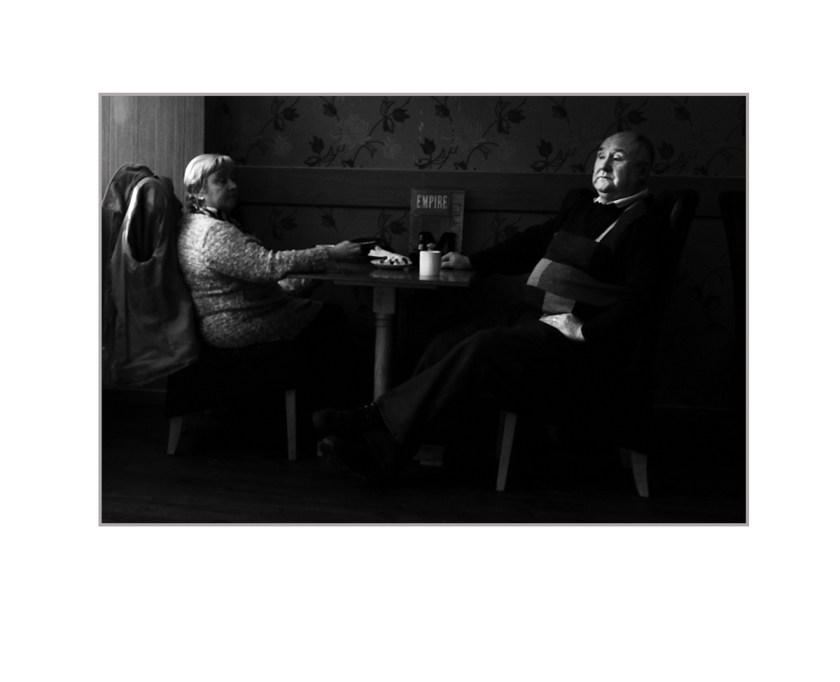
Pictures taken in coffee shops over the years.

Pictures taken in coffee shops over the years.
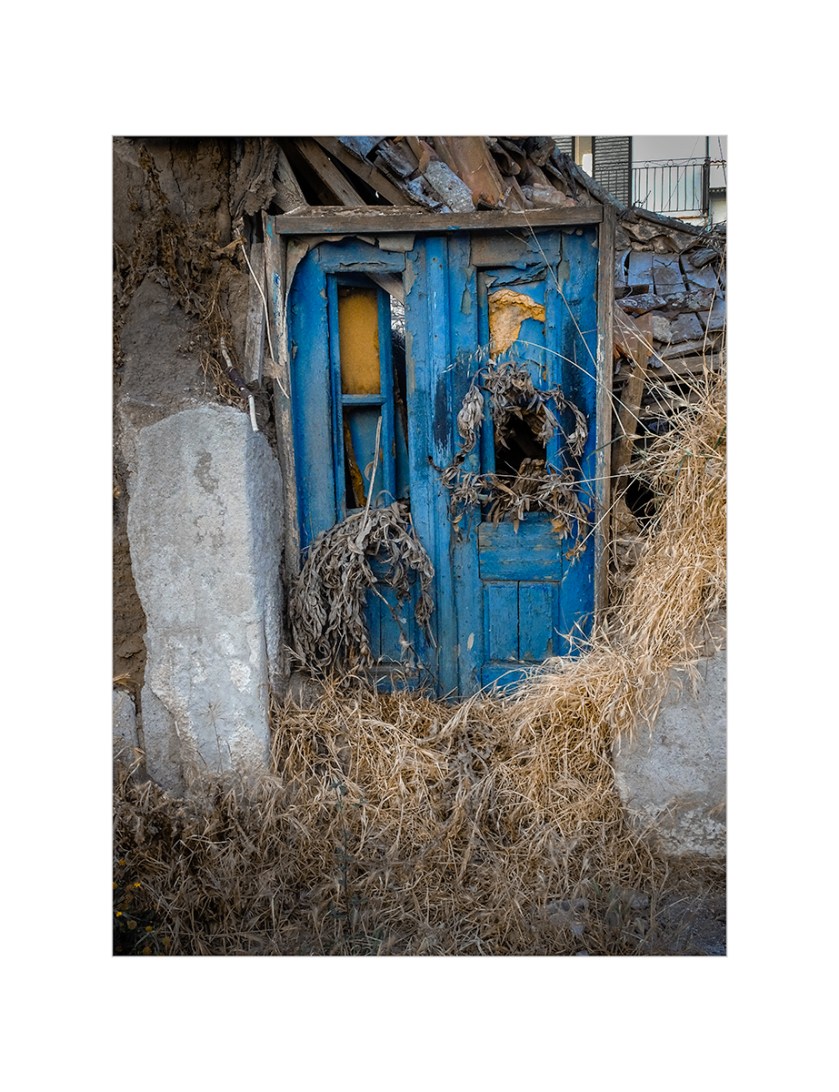
We decided to go away and do nothing. That’s unusual for us. A week away just doing nothing. I took just a few photographs trying to keep my promise to do nothing. Images from the Isle of Lesvos in Greece.

I’ve been rationalising these pages recently. I’ve included a section on the site called “Projects and Series” . You can see it top right in the heading navigation. This leads to a page providing links to the different projects and series I’ve been working on (and continue to do so). Some of the pictures in these sections date back to the late 1960’s – early 1970’s. I hope you enjoy them all. PDBarton Lincoln 2018
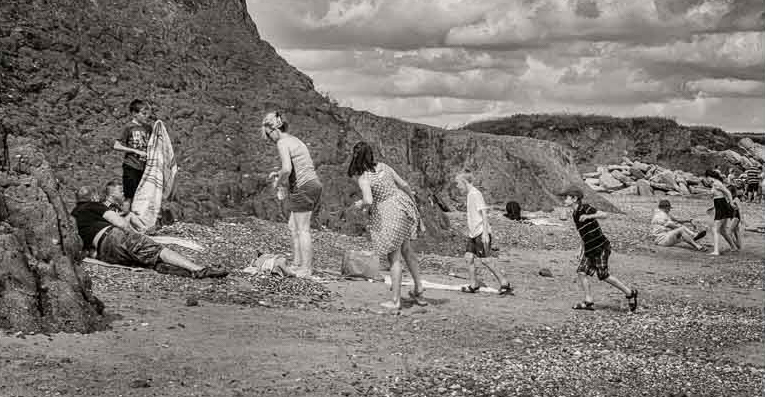
For the purpose of navigation, the earth is notionally divided into Eastern and Western Hemispheres. The line which divides those hemispheres is the Prime Meridian Leaving the North Pole the line travels towards the South Pole. The first land it reaches is on the East coast of England, just above the Humber estuary in the ancient coastal area of Holderness, an area of chronic coastal erosion. The Meridian project, entitled “A line runs through it “ involved travelling along this line from landfall in Holderness in the North, south across the Humber to the seaside towns in North East Lincolnshire and onwards into Lincolnshire, passing through the Lincolnshire Wolds and the fenlands around Boston and Holbeach, and finally to the Lincolnshire/ Cambridgeshire border. The whole distance travelled from Landfall in the North to the Cambridgeshire border in the South is 121.4Km ( 75.43 miles). The Images were captured along the line and to either side over the space of 6 months. These images are bound together by nothing other than their geographic proximity to a …

A while back I ventured out with a different camera. I went out with this. As you can imagine I got some strange looks but nobody took it seriously at all. I was largely ignored. Just out of interest, here are the results…
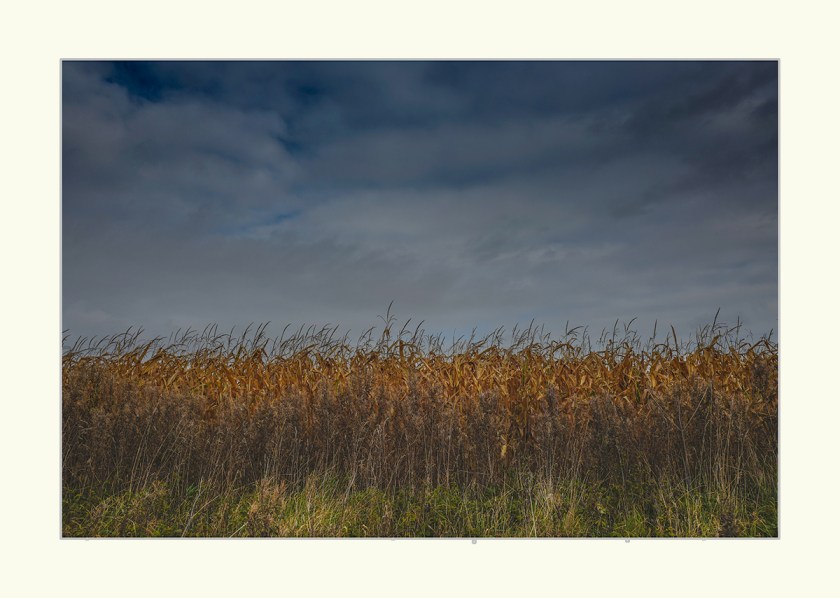
I’ve admired the work of the abstract expressionist artist, Mark Rothko for many years. His reduction of images to blocks of colour, mainly in the horizontal plane, appeals to me. The images are not complex; perhaps that’s the attraction. Though not specifically a landscape photographer I’ve produced many images in that genre. Most early pieces of my work are picturesque, over-sentimental, touristy pieces, but over the past 20 years, I’ve been attracted to stripping down the image, Rothko like, to bands or blocks of colour.

Title: Small Town Inertia. Photographer: J A Mortram. Essays: Lewis Bush. Paul Mason. Poem: Jamie Thrashivoulou Reference: ISBN 9781908457363 First published: Hard back 2017 by Blue Coat Press, Liverpool Website: smalltowninertia.co.uk Size:310mm x 215mm x 20mm Jim Mortram, the master of the Long form of photo story, has released his first book. I’ve known Jim Mortram for a few years and all the while he’s been building up to producing this book; closely working with his community in and around his hometown in Norfolk. Jim’s output is reminiscent of others who have chosen to highlight this sector of our community. The disadvantaged and the disabled. He is following on* from others like: Bill Brandt, who in the 1930’s produced hauntingly beautiful images in the East End of London, the North East of England, and Yorkshire. Much of his work was published in the excellent Picture Post in the 1940’s. Nick Hedges photographs of the poor taken for ‘Shelter’ in areas of deprivation around the UK in the 1960’s and 70’s. About his work Hedges said… ‘Although these photographs …
 peterdbarton.com