Author: PDBarton

coffee-shop-birmingham

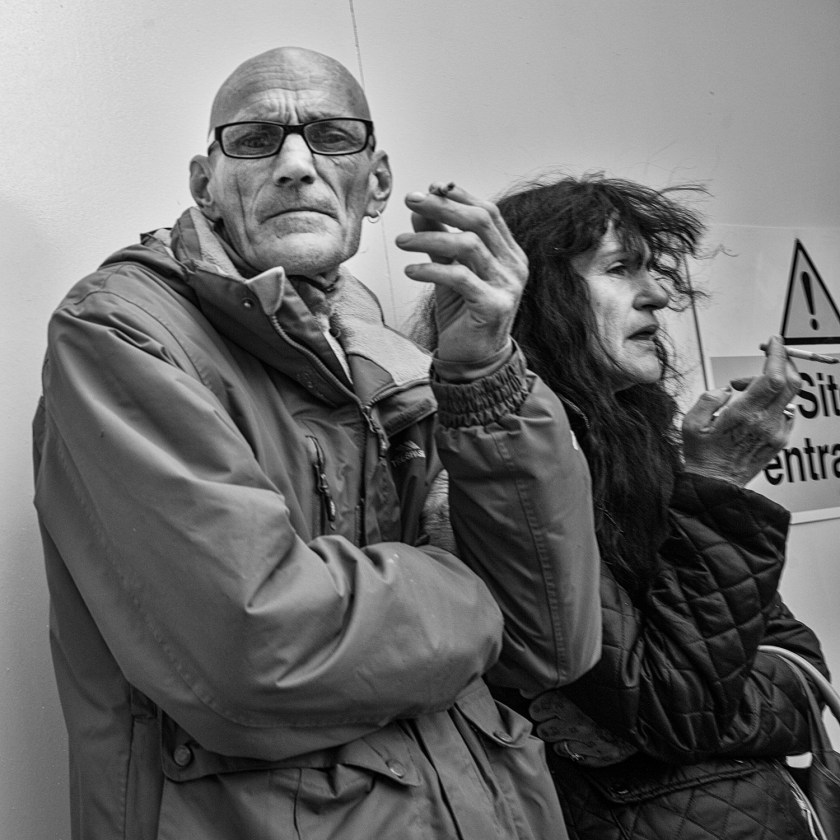
Those quiet moments in coffee shops…

Coffee shops, or coffee houses as they were first known, spread to England from the middle east in the 1600’s. Hundreds of them sprung up in several cities across the country. They quickly became popular as a place to conduct business and to socialise as an alternative to the ubiquitous alehouses and taverns which proliferated at the time. Nobody back then drank water as most was not potable. Alehouses served weak beer in which the alcohol had killed the bacteria in the water from which it was made. Likewise, coffee houses used only boiling water to make their beverages. The action of boiling water for tea or coffee killed off the many bugs in the water. It was possible during that period to gain access to a coffee house by payment of one penny. You could stay as long as you liked and there was no need to even buy coffee. They were places of commerce where some businessmen would conduct their business. I say “business-man” as women weren’t allowed in coffee houses unless they owned …
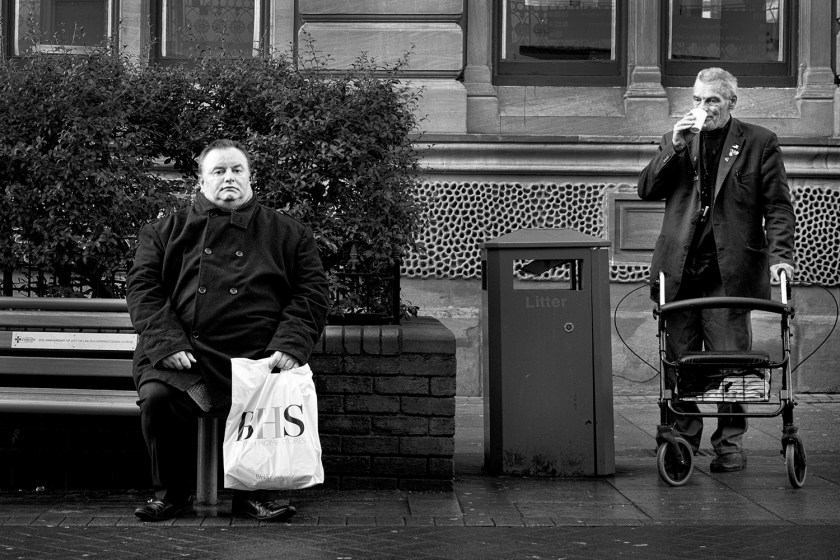
Just how much better are today’s cameras?

The image you see above was taken on a freezing cold, steel gray day which the UK seems to get under high pressure in the winter. Light levels are low and very flat. It was under such trying conditions I decided to test a 1930’e Zeiss Ikon 515/2 camera. The test subject was the city where I live, Lincoln in the East Midlands of England. Hardly the South of France on a sunny day but… I used 400asa Ilford XP2 (c41 film) because I could take it into the local Snappy Snaps shop to get it processed quickly. I’m impatient you see. For those who may be interested, the shot was hand-held with a shutter speed of 1/50th of a second and an aperture of f5.6 It barely froze the people who were walking. This is the camera. It’s a folding camera with bellows separating the film and lens planes. It’s odd and clunky but despite being over 80 years old it’s still serviceable and still produces more than adequate images. It has a focus ring, …

Sabine Weiss

Editorial: Sabine Weiss. The last humanist Photographer.

“Born in  Switzerland in 1924  Weiss has been dubbed “The Last of the Humanists”, and even though she is getting tired of the label, she admits that it is somewhat fitting.”  Read the excellent piece by Time magazine on the life of this wonderful photographer. Her website (in French) Pictures in the Peter Fetterman gallery website. Biography on ‘All about Photography’ website.

The Usher Gallery, Part of the Collection.

Exhibition Review: It’s art but is it photography?

New Photographic works. The Usher Gallery, Part of The Collection, Danes Terrace, Lincoln. LN2 1LP. T:01522-550965 W: thecollectionmuseum.com Opening hours: See website. This exhibition by James E Smith comprises 2 parts. First is Call to Action, a series of black and white photographs from his time in Australia. The images are simply hung. Second is Half the Battle is Knowing What Sells, a small book shown in the middle of the gallery. This second part of the exhibition is not covered in this review; though, in passing, it comprises e-mails received by Smith concerning briefs given for commercial advertising purposes. You can download the book here free under the creative commons license. Judge for yourself. I am from a commercial world and this poses some difficulties in the understanding of “art” per se. In a discussion with a  photographic artist recently (we were talking about an event I had attended the day before which included him and a group of other artists) I wrote:- “The terms of reference used by artists and those in commerce are …